What is Junk Journaling?
In this post, we’ll define what junk journaling is, explain what you need to get started, and why this creative practice might become your new favorite way to craft and give things a new life.
What is Junk Journaling?
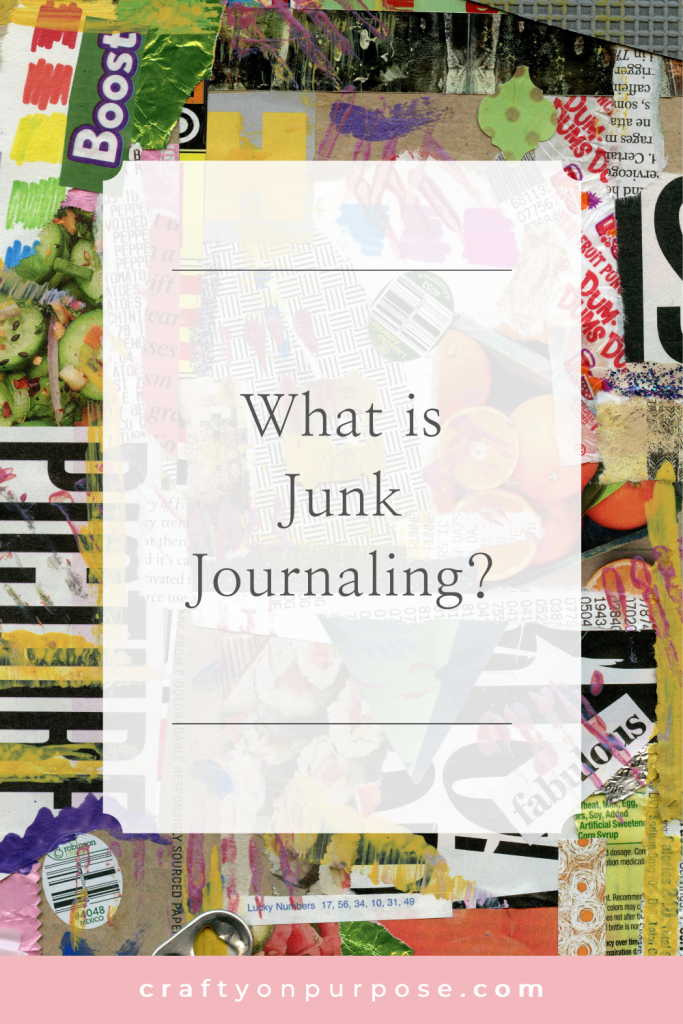
Junk journaling is a creative practice that combines elements of scrapbooking and collage. Instead of crafting perfectly curated pages, junk journaling invites you to create using materials you already have, and would otherwise throw away.
Things like:
- Receipts
- Packaging
- Ticket stubs
- Brochures
- Candy wrappers
At its core, junk journaling is about creative reuse. It’s a form of sustainable crafting that allows you to see that one person’s trash truly is another’s treasure.
Why is Junk Journaling Important?
At first, junk journaling might sound a little strange, or maybe even pointless. “What do you mean you save your candy wrappers so you can glue them into a notebook?”. But the thing is, it’s actually deeply refreshing.
In the age of social media, most of us are used to seeing perfectly curated content. It can start to feel like everything we create has to be “Instagram-worthy” to have any value. And because we live in a society that glorifies productivity, many of us measure our worth based on what we achieve, and we start to think that we need to optimize our hobbies.
Junk journaling pushes back against the idea that we need to be perfect, that we need to buy more things, and that hobbies don’t have any value unless they’re making us money.
Instead, junk journaling is a creative outlet where we can learn to
- Use what we already have
- Find beauty in the ordinary
- Create something out of nothing
What You Need to Start Junk Journaling
If you’re wondering how to start junk journaling, the good news is that you probably already have most of the supplies at home. Here’s what you’ll need:
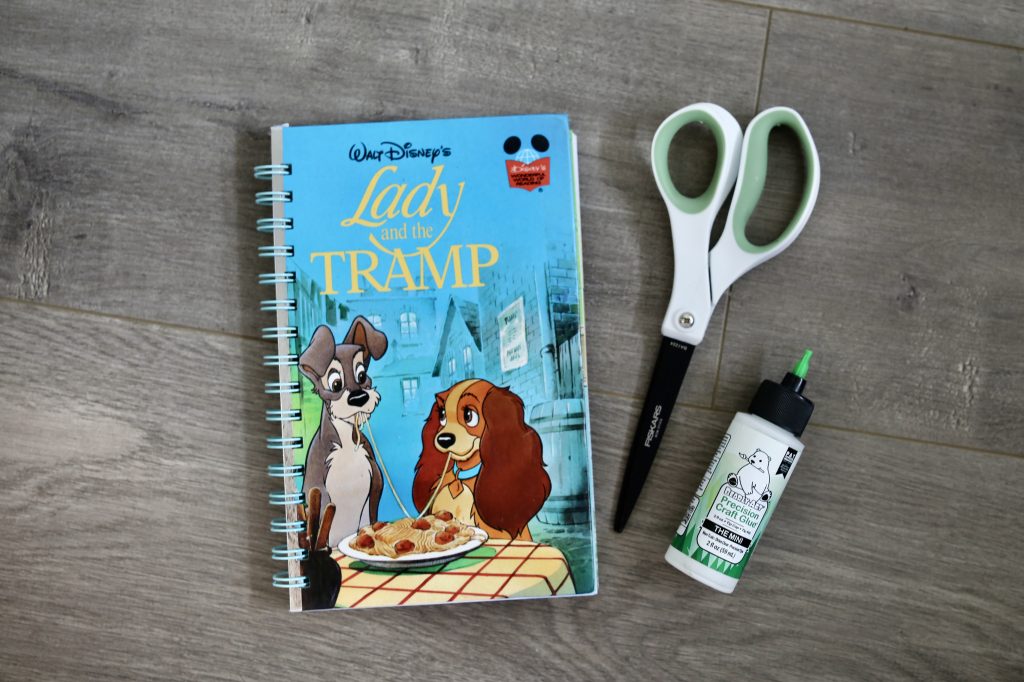
A Notebook
Your junk journal can start with any simple notebook that you have lying around your house. Personally, I prefer a notebook that has blank white sheets, but anything is fair game here.
You can also even consider making the journal yourself. There are tons of cool tutorials online where people show how they take it a step further and create their journals out of recycled materials. But if that feels overwhelming, keep it simple. A basic notebook is more than enough to get started.
Adhesive
You’ll need some type of adhesive to attach materials to your pages.
You can use:
- Craft glue
- Glue sticks
- Double-sided tape
It doesn’t matter what you choose. Just start with what you have, and feel free to switch things up if something isn’t working for you.
Scissors
This one is pretty self-explanatory here.
Any simple pair of scissors will do. They’re an essential tool for cutting out details, shapes, or images you want to include in your spreads. That being said, there’s gonna be times where you’ll want to rip your paper too, because that’s just the look you’re going for. Don’t be afraid to break the rules a litte!
Your Junk (of course)
These don’t need to be special, that’s the whole point. Start collecting everyday items that would normally accumulate in the trash as you go about your week.
You can collect:
- Cereal boxes
- Coffee sleeves
- Hand-written notes
This can be a really fun way to document a trip! But even in your everyday life, junk journaling is great because it’s a way to romanticize the most ordinary moments.
How to Start Junk Journaling

Here’s the fun part, because the “how” of junk journaling is really up to you.
You can use it to document your everyday life, almost like a scrapbook, but with a more relaxed and imperfect feel. Some people include photos, while also adding in everyday “junk” that wouldn’t normally be seen as valuable.
You might choose a theme, like a specific color, or start a small collection, like saving and attaching all the stickers you get on your fruit. Or you can keep it simple and just collage using whatever cute materials and scraps you have on hand.
Do what feels fun and natural to you.
A Few Tips Before You Start
If you’re new to junk journaling, here are a couple reminders that might be helpful.
Your Junk Journal is Yours.
It doesn’t have to look like anyone else’s. When you see beautiful spreads made by others, it can honestly feel a bit intimidating. And yes, it can be fun to look at inspiration online, but don’t let yourself get stuck in the scrolling phase!
Remember that junk journaling is meant to be flexible and personal. Your pages can be colorful, basic, messy, or maybe even a little methodical.
All of it counts.
There Are No Real Rules
This might be an unpopular opinion, but I believe that there are no strict rules you have to follow when junk journaling.
Now listen, I know that junk journaling is about sustainability at its core. But if you want to purchase a few things to make your spreads feel and look a certain way, go for it.
On the other hand, if you want to keep everything completely free and only use scraps you’ve collected, that’s cool too. Junk journaling isn’t about following a formula. It’s about creating in a way that works for you.
Create Something From Nothing
Junk journaling reminds us that creativity doesn’t come from buying expensive materials or having artistic skills. Sometimes you find meaning in the most unexpected projects.
It’s a moment to slow down, create without putting so much pressure on yourself, and maybe even learn to embrace the messiness that often comes with life. And when you start looking at everyday scraps differently, you might be surprised at how much inspiration is already around you.
If you’re looking for more beginner-friendly upcycling crafts ideas explore our other posts and keep discovering creative ways to make something meaningful from what you already have.